
Understanding the allure of casino gambling
For many people, the allure of casino gambling stems from the thrill of chance and the potential for significant financial rewards. Casinos are designed to captivate players with vibrant lights, engaging sounds, and an atmosphere of excitement. This environment creates a unique blend of entertainment and anticipation that draws individuals to gamble. The idea of striking it rich with a single spin of the roulette wheel or a lucky hand in poker is a powerful motivator, especially when considering the best online casino options available today that enhance the experience further. It’s essential to recognize that this allure is often wrapped in the romanticism propagated by films and media, which glamorize high-stakes gambling and portray it as a pathway to wealth.
Another factor contributing to the appeal of casinos is the social aspect of gambling. Many individuals enjoy gathering with friends or meeting new people in a lively casino environment. The communal experience of cheering for a winning hand or sharing in the excitement of a jackpot creates a sense of belonging and shared exhilaration. This social interaction can enhance the enjoyment of gambling, making it not just a solitary activity but a shared experience that fosters connections among participants.
However, the reality is that while the excitement of potential wins is captivating, the odds are often stacked against the player. Casinos are engineered to ensure profitability, meaning that the house edge is a constant in every game. Understanding the psychological tactics utilized by casinos, such as the placement of machines and the layout of the gaming floor, can demystify the experience and provide a clearer picture of what gambling entails. This understanding is vital for anyone looking to participate more responsibly in this entertainment form.
Myths about winning in casinos
One prevalent myth about gambling is the idea of patterns in games of chance. Many players believe they can identify trends in slot machines or card games that can lead to better odds of winning. For example, some gamblers argue that certain slot machines are ‘due’ for a win after not paying out for a while. This belief ignores the fundamental nature of these games, which are based on random number generators that ensure each play is independent of the last, debunking the notion of ‘hot’ or ‘cold’ machines. This misconception can lead players to waste time and money chasing elusive patterns.
Additionally, another myth is the belief that some players can gain an edge through strategies or systems. This is particularly common in games like blackjack or poker, where players may think card counting or bluffing can significantly improve their chances. While these techniques can be effective to an extent, they require an exceptional level of skill and practice, and even then, the element of chance means there is no guaranteed success. Many players underestimate the complexity of these games and the influence of luck over skill, which ultimately shapes their gambling experiences.
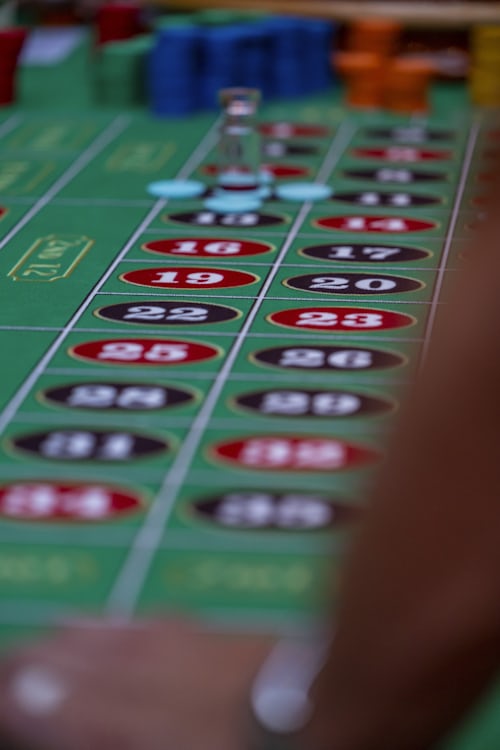
Furthermore, there is a misconception that casinos operate on fair play principles, offering players an equal chance of winning. Instead, most games have a built-in house advantage, ensuring that over time, the casino will profit. This understanding is crucial for responsible gambling, as it helps players recognize the importance of setting limits and understanding that losses are a normal part of the gambling experience. Addressing these myths is essential in promoting a more realistic view of the gambling landscape and encouraging more informed decision-making which can lead to more responsible gambling practices.
The psychological impact of gambling
The psychological effects of gambling can be profound and varied. While many enjoy gambling as a recreational activity that provides an escape from everyday life, for others, it can lead to compulsive behaviors and addiction. This duality highlights the importance of understanding the psychological triggers that come into play when engaging with games of chance. Factors such as excitement, reward anticipation, and the thrill of winning can create a rush that keeps players coming back for more, blurring the line between enjoyment and unhealthy obsession. The thrill of the game can often overshadow the potential risks involved.
Additionally, the phenomenon of chasing losses is a common psychological trap in gambling. Players often feel compelled to continue betting in hopes of recovering previous losses, which can lead to spiraling debt and increased emotional distress. This cycle can also result in a significant impact on personal relationships, finances, and mental health, emphasizing the need for education and awareness about responsible gambling practices. Recognizing when gambling is becoming more than just fun is a crucial aspect of minimizing harm and promoting a healthier approach to gambling.
Moreover, the role of cognitive biases cannot be overlooked. Gamblers often fall prey to the illusion of control, believing they can influence the outcome of games largely governed by chance. This skewed perception can enhance the gambling experience but also lead to irrational decision-making. Strategies to combat these biases include self-reflection and seeking external advice, which can help individuals maintain perspective and establish healthier gambling habits. Understanding these psychological aspects can lead to a more balanced approach to gambling.
Responsible gambling practices
Adopting responsible gambling practices is vital for anyone engaging with casinos and similar establishments. Setting strict limits on time and money spent on gambling activities can prevent the development of harmful habits. This means deciding in advance how much one can afford to lose and sticking to that budget, regardless of the outcome. Such pre-commitment strategies help individuals maintain control over their gambling behavior and can lead to a more enjoyable experience devoid of negative consequences. It’s essential to view gambling as a form of entertainment rather than a means to make money.

Another key aspect of responsible gambling is self-awareness. Players should regularly assess their motivations for gambling and ensure that it remains a source of entertainment rather than a coping mechanism for stress or other life challenges. If gambling starts to feel like a necessity or an escape, it may be time to step back and evaluate one’s habits. Additionally, seeking support from friends, family, or professional organizations can be instrumental in maintaining a healthy relationship with gambling. Open conversations about gambling can foster a supportive environment.
Finally, utilizing resources like self-exclusion programs and educational materials can provide additional help to individuals who may struggle with their gambling impulses. Many casinos and gambling organizations offer support options that allow players to take breaks or limit their access to gambling activities. By advocating for these tools and prioritizing responsible gambling, individuals can protect themselves from the potentially adverse effects of gambling while still enjoying the thrill it brings. Remaining informed and vigilant about one’s gambling behavior is crucial for long-term enjoyment.
Exploring more information and resources
For those seeking to delve deeper into the world of gambling, numerous online resources and platforms provide valuable information. Educating oneself about the various aspects of casino gambling – from the different games available to understanding odds and strategies – can enhance both enjoyment and responsibility. By arming themselves with knowledge, players can navigate the gambling landscape with greater confidence and awareness of potential pitfalls. Comprehensive resources can help demystify the complexities of various games and promote better decision-making.
Additionally, many organizations work to promote responsible gambling practices. These entities offer educational materials, support networks, and tools to ensure individuals can engage in gambling safely. Connecting with community resources, such as local counseling services or helplines, can provide essential support for those who may be struggling with gambling-related issues. These networks can help foster a healthier gambling culture and promote awareness about the risks involved. A strong support system can be invaluable for individuals facing challenges.
Ultimately, whether as a recreational activity or a more serious endeavor, being informed about casino gambling is vital. Understanding the myths versus the realities can empower individuals to make better choices and enjoy their experiences more fully. The journey into the world of gambling can be both exciting and filled with lessons, and with the right mindset and resources, individuals can embrace the thrill while keeping their well-being at the forefront. A well-rounded approach to gambling can lead to fulfilling experiences without the adverse effects.